Why focus on sleep for wellbeing?
Exercise, Nutrition, Connection and Sleep are often considered the four pillars of good health.
Of these four pillars, sleep may be the easiest to improve, and improving sleep gives people leverage to improve their health in other ways.
Mental Health
Those who get quality sleep report lower stress levels.
They are also less likely to suffer from anxiety and depression (CDC, 2021) and the correlation between suicidality and poor sleep is very strong.
Cognitive function
Sleep impairs reaction times and other cognitive functions. For example, drowsy driving causes over 100,000 crashes in the US per year and hundreds of fatalities.
Sleep aids in learning and memory, and repairs connections—essential for mental clarity and preventing neurodegenerative diseases.
Heart and Cardiovascular Health
Poor sleep can increase the risk of hypertension and cardiovascular disease by 48% (AHA, 2022).1
Weight Management
Sleep helps regulate hormones that control appetite and a study from the National Institutes of Health found that insufficient sleep is linked to a 55% higher risk of developing obesity among adults.(NIH, 2010)
Top thieves of sleep
These are some of the most common culprits stealing your rest — and knowing them is the first step to taking your sleep back.
Irregular Schedules (and Social Jetlag)
Busy, unpredictable schedules — from work deadlines and school assignments to social events and late-night chats — can easily throw your sleep out of sync. Staying up late for a paper, early morning meetings, weekend parties, or last-minute social plans disrupts your body’s natural circadian rhythm. Over time, this “social jetlag,” when your weekday and weekend schedules differ significantly, leads to feeling constantly overtired and groggy.
Quick Tips:
- Aim to keep your bedtime and wake-up time within the same hour every day, even on weekends.
- If you’re up late, try a short nap the next day instead of sleeping in for hours, which can make the cycle worse.
- Plan social activities earlier when you can — morning coffee catch-ups or evening walks can replace midnight hangouts.
- Use consistent cues — morning sunlight, light exercise, and hydration — to help your body reset after a late night.
Technology and Screen Time
Phones, tablets, laptops, and TVs are some of the biggest culprits in stealing sleep. Blue light suppresses melatonin, and the stimulation from scrolling social media, gaming, or binge-watching makes it harder to wind down. Even “just one more episode” or “just checking email” can delay sleep by an hour or more.
Quick Tips:
- Set a “tech curfew” at least one hour before bedtime.
- Use blue-light filters or night-shift modes if screens are unavoidable in the evening.
- Keep your phone out of reach during the night to avoid disruptive notifications.
- Replace screens with a relaxing bedtime routine — reading, journaling, stretching, or even light music.
Stress, Anxiety, and Mental Load
Racing thoughts — whether about work, school, relationships, finances, or future plans — are a major sleep disruptor. Stress raises cortisol levels, keeping the brain alert when it should be winding down. Anxiety and depression also commonly interfere with both falling asleep and staying asleep, creating a frustrating cycle.
Quick Tips:
- Build a calming wind-down routine with dim lights and quiet activities.
- Practice mindfulness, meditation, or deep breathing before bed — even 5 minutes helps.
- Write down to-do lists or worries earlier in the evening to clear your mind.
- If poor sleep persists for more than a few weeks, talk with a professional — you don’t have to navigate it alone.
Caffeine, Alcohol, Marijuana, and Poor Dietary Habits
Stimulants and timing matter more than many people realize. Caffeine can stay in your system for 6–8 hours, delaying sleep onset and reducing deep sleep. Alcohol may make you drowsy, but it fragments sleep and cuts into restorative REM cycles. Marijuana, especially high-THC strains, can disrupt natural sleep architecture, reducing overall sleep quality. Eating heavy meals right before bed can also cause discomfort and interfere with sleep.
Choose one:
- Cut off caffeine by early afternoon.
- Avoid alcohol close to bedtime; stop drinking at least 3 hours before sleep.
- If using marijuana, keep doses moderate and track how it affects your rest.
- Finish heavy meals 2–3 hours before bed; opt for light snacks if you’re hungry late.
- Stay hydrated earlier in the day and taper fluids at night to minimize middle-of-the-night wake-ups.
Important Note
Not all tiredness stems from lifestyle habits. Sleep disorders are more common than many realize — for example, sleep apnea affects an estimated 3–7% of adults. If you feel excessively sleepy during the day, or if lifestyle changes haven’t helped, it’s important to seek professional evaluation to rule out underlying medical issues.
From the organizers of Sleep Awareness Month
as seen on:






We have a Worldwide and National Sleep Crisis
33–50% of adults worldwide experience some form of insomnia, including difficulty falling asleep, staying asleep, or achieving restorative sleep. This is a silent epidemic that affects physical and mental health.
In the United States, insufficient sleep is unevenly distributed across counties. In 2009, researchers identified “hotspots” of sleep deprivation across the country using spatial analysis. See the map to the right.
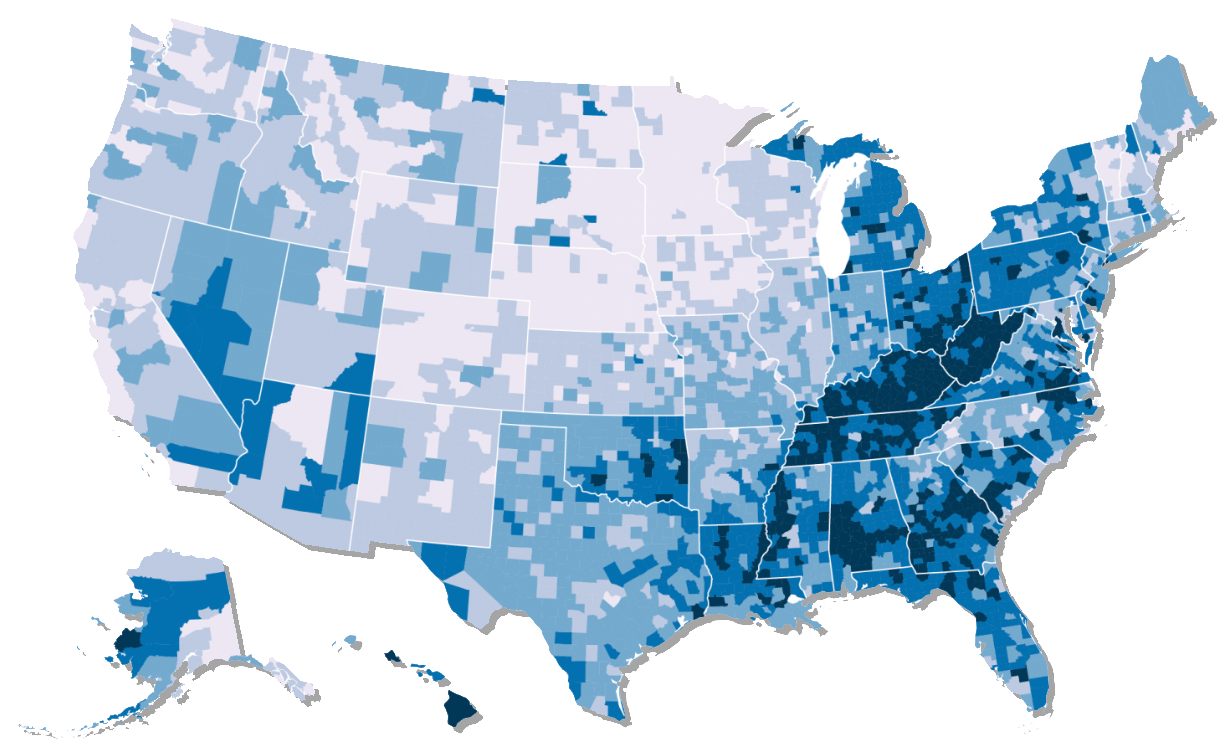
% of adults with fewer than 7 hours on sleep on average
- 25.6-32.6
- 32.6-35.6
- 35.6-38.3
- 38.3-41.4
- 41.4-49.1
Source: Geographic distribution of insufficient sleep across the United States: a county-level hotspot analysis☆
Would you like to contribute or visualize sleep data?
Let us know!
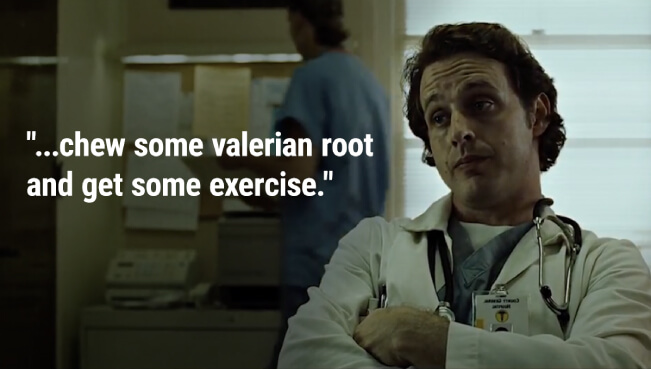
Much has changed since the 1999 movie Fight Club, where a doctor advises Jack, the protagonist, to “chew some valerian root and get some exercise.”
While exercise does aid sleep, the scene underscores the limited options the medical field once offered for sleep struggles. (Valerian root, though mentioned casually, has mixed reviews but shows some efficacy.)
We have effective evidence-based treatments but these are not widely distributed and behavioral health changes are often poorly communicated
A lot has changed in medical and health culture but we have a long way to go.
8 in 10 adults want to improve their sleep but 60% have not sought help from a medical professional.
Have resources for medical or public health professionals?
Goals for
Sleep
Literacy.org
- Educate individuals on practical steps they can take to improve their sleep quality.
- Encourage the adoption of healthy sleep routines across different age groups and lifestyles.
- Raise awareness about the importance of sleep and its impact on physical, mental, and emotional health.
- Disseminate accurate and accessible information on sleep hygiene and the dangers of sleep deprivation.
- Overcome harmful attitudes like “sleep when we’re dead” that glorify sleep deprivation.
- Using media campaigns to normalize good sleep habits and highlight the importance of rest.
This Sleep Disorders media guide from Project Sleep is one of the best we have seen,
Nominate an existing campaign for our Sleep Hub.
- Highlight common sleep disorders, their symptoms, and the importance of seeking professional help.
- Promote screenings and interventions for sleep disorders in healthcare settings.
- Cross promote Safe Sleep Awareness Month
- Provide educational resources and curricula for schools, workplaces, and community organizations.
- Collaborate with sleep researchers and experts to ensure the accuracy and relevance of educational materials.
- Encourage healthcare providers to prioritize sleep health as part of routine care.
- Disseminate high quality information and tools to the public.
- Support research and innovation in health.
- Arm doctors and other medical staff with the best diagnostic tools and behavioral health education to most effectively improve sleep.
- Work with policymakers to advocate for regulations and practices that support better sleep health (e.g., flexible work hours, school start times).
- Support initiatives that provide access to sleep health resources and treatment
Who is SleepLiteracy.org for?
Anyone passionate about health can help us.
We will have events and resources for many groups.
Elderly Population
- Seniors
- Senior Center Staff
Individuals with Sleep Disorders
- Insomnia Sufferers
- Sleep Apnea Patients
- Narcolepsy Patients
Adolescents and Teenagers
People with Chronic Illnesses
Shift Workers
- Factory Workers
- Hospital Staff
- Security Personnel
- Emergency Services (Paramedics, Firefighters)
Transportation Workers
- Truck Drivers
- Pilots and Flight Attendants
- Public Transit Operators
Technology and IT Professionals
- Software Developers
- IT Support Staff
Workaholics and High-Stress Professionals
Travel Industry Professionals
- Travel Agents
- Tour Guides
- Nurses
- Doctors
- Sleep Specialists
- Mental Health Professionals
- School Health Workers
- Occupational Therapists
Substance Abuse Counselors and Clients
Community Health Workers
Public Health Officials and Policymakers
Non-Profit Organizations Focused on Health
- Personal Trainers
- Yoga Instructors
- Nutritionists and Dietitians
- Teachers and Educators
- School Administrators
- Students (Elementary to College)
- Journalists
- Content Creators
- Artists and Designers
- New Parents
- Caregivers for the Elderly
- Childcare Providers
- Employers and HR Professionals
- Corporate Wellness Coordinators
- Business Executives
- Military Personnel
- Police Officers
- Hotel Staff
- Restaurant Workers
- Retail Employees
- Professional Athletes
- Sports Coaches
- Physical Therapists
• Clergy (Pastors, Priests, Rabbis, Imams, etc.)
Faith-Based Health Ministry Leaders
• Community Organizers and Activists
• Nonprofit Directors (Faith-Based and Secular)
• Local Government Leaders (e.g., Mayors, Council Members)
• Sleep Medicine Specialists
• Neuroscientists
• Behavioral Health Researchers
• Public Health Researchers
• Cardiologists and Heart Health Researchers
• Endocrinologists
• Occupational Health Researchers
• Pediatric Sleep Researchers
• Geriatric Sleep Researchers
• Sports and Performance Scientists
• Technology and Innovation Researchers
• Nutrition and Diet Researchers
• Psychopharmacologists
• Environmental Health Researchers
• Epigenetic Researchers
SleepLiteracy.org is promoted and hosted by
Our Host
We are a nonprofit organization with a mission to foster a cultural shift in public health.
We promote open sharing of health campaigns, digital health tools, research, data, and other resources.
We nudge mission-based organizations to be more open with their content, give away some of their content for free and:
- Lift copyright with creative commons licenses
- Remove pay and registration walls
- Allow access to search engines and artificial intelligent systems
- Tag and categorize content with modern best practices for retrieval and access
These steps will help to broaden dissemination of high quality evidence-based content to overcome misinformation and biased information.
We are recruiting steering committee members for Sleep Awareness Month.
Contact us if you want to join leaders who will shape our culture around sleep and wellbeing.